
Patient Information

Knee Osteotomy
Osteoarthritis is the degeneration or ‘wear and tear’ of a joint. When this occurs in the knee, it can cause pain.
Initial treatment often includes painkillers, weight loss, physiotherapy and/or injections which can work very
well. If these treatments do not help and patients have severe pain, surgery may be the next step.
Learn More
Anterior
Cruciate Ligament (ACL)
Unicompartmental
Knee Replacement (UKR)
KNEE LIGAMENT
RECONSTRUCTION
Total
Knee Replacement (TKR)
Patella MalTracking
and Instability

Total Knee Replacement (TKR)
Arthritis is a group of conditions that cause damage to one or more joints. Your surgeon has recommended
a total knee replacement operation to address the arthritis of your knee. However, it is your decision to go ahead with the operation or not. Here you can find information about the benefits and risks of the surgery to make an informed choice. You can ask your surgeon or health care professional any additional questions you may have.
Learn More
Minhal Chatoo
Consultant Knee Surgeon

View Full Profile

Unicompartmental Knee Replacement (UKR)
Arthritis is a group of conditions that cause damage to one or more joints. Your surgeon has recommended
a partial knee replacement operation to address the arthritis in one compartment of your knee. However, it is your decision to go ahead with the operation or not. Here you can find information about the benefits and risks of the surgery to make an informed choice.
Learn More
PATIENT TESTIMONIALS
“Mr Chatoo was very good on all visits. He gives you confidence and he explained everything in easy language so you know what is going on.”

Anterior Cruciate Ligament (ACL)
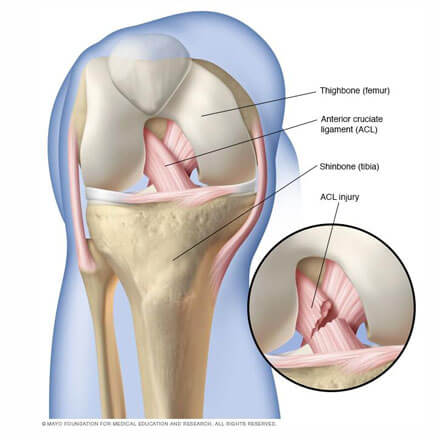
The knee joint is supported by muscles, cartilage and ligaments to allow it to move. The muscles allow movement, the cartilage protects the bone as a shock absorber, and the ligaments stabilise the joint. There are 2 cruciate ligaments inside the knee joint. They cross to form an ‘X’ shape. They provide stability in the forward/backward motion. The ACL lies in front and stops the shin bone (tibia) moving forward excessively. It also provides support in the twisting/rotation movement.
Learn More
Medial Patella Femoral Ligament (MPFL)
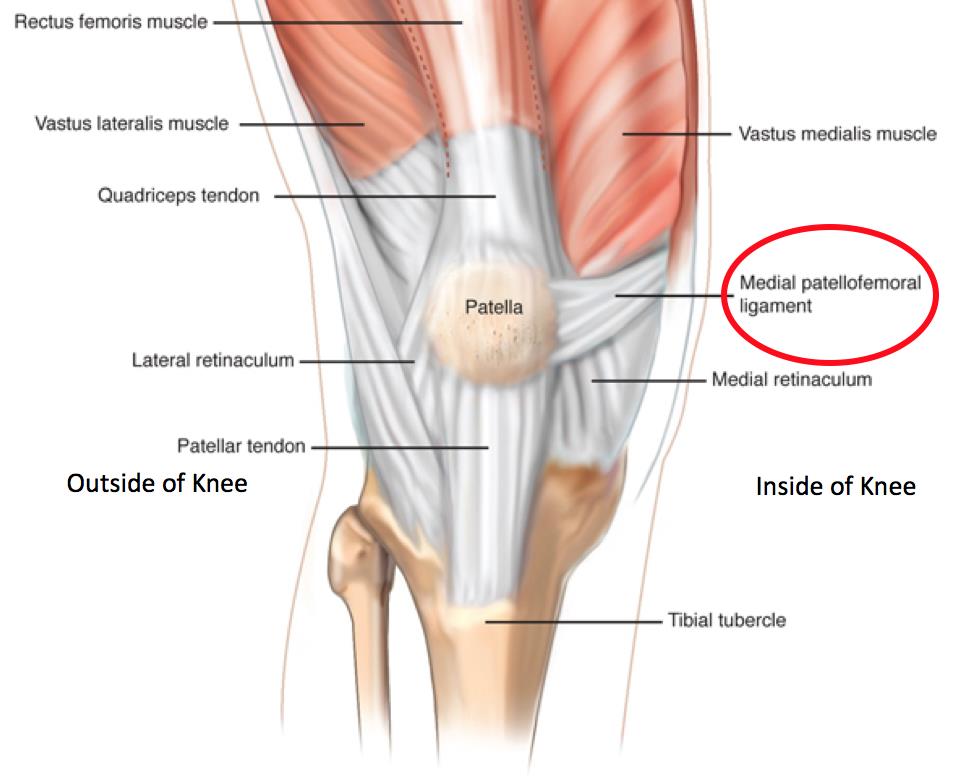
The knee cap (patella) sits at the front of the knee. As the knee bends, it glides in a groove on the femur (thigh bone). This groove helps guide the patella to move in a straight line. Other factors such as the shape of the bones, the strength of the muscles and the ligaments also affect the position and stability of the patella. The medial patella femoral ligament (MPFL) is a band of tissue running from the inside part of the knee (femur) to the inside part of the patella. This ligament plays an important role in giving stability to the patella and stops it from
dislocating sideways (to the outside of the knee).
Learn More